

From all indications, Nigeria, like most low and middle-income countries, is not adequately prepared to manage the devastating viral impact of the coronavirus disease. It poses a danger to the population’s health and exacerbates poverty and inequality, especially with the discovery of new variants.
About 60 million people in Nigeria lack access to basic water supply services, and 167 million people lack basic handwashing facilities. Worse still, 70,000 children under five die yearly from diseases caused by poor access to water, decent toilets, and good hygiene services. These figures show that Nigeria is still a long way from achieving Sustainable Development Goal 6 (clean water and sanitation).
There’s been a huge covid-19 vaccine hesitancy in Nigeria. It has been attributed to several factors, such as the efficacy of the vaccines, side effects, and negative sociocultural norms. The National Primary Health Care Development Agency notes that only 10 million people have been fully vaccinated, representing 9 percent of the population.
This situation exposes the populace to new and more aggressive variants of the Covid-19 variant. Against this background, WaterAid Nigeria and South Saharan Social Development Organization, SSDO, are intervening to curb the spread of the virus.
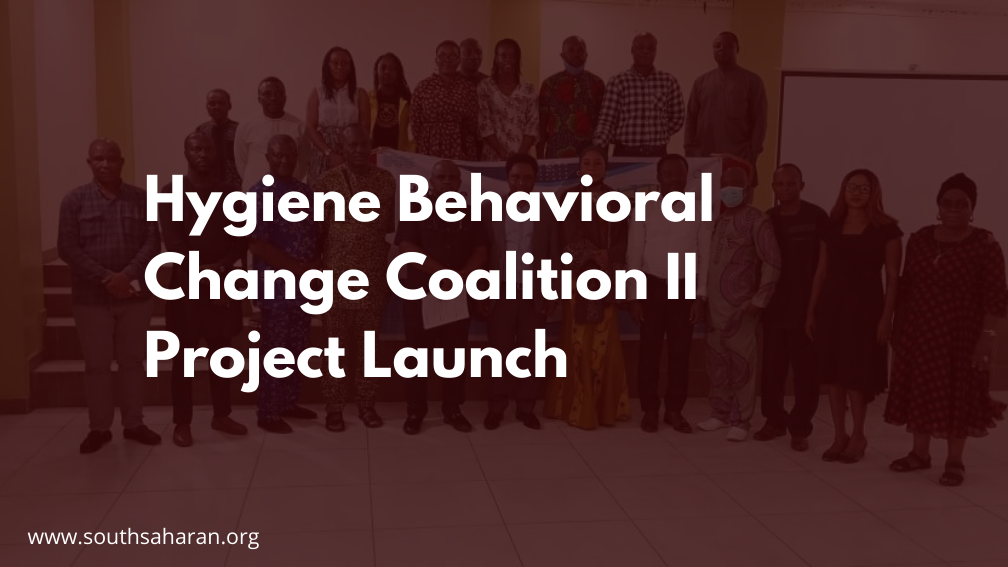
This birth the Hygiene Behavior Change Coalition II Project. The project is designed to complement the Clean Nigeria Campaign to promote hygiene using a behavior-centered approach. The project will be implemented in Enugu and Bauchi states and was launched today in Enugu state. It aims to combat new Covid-19 variants, increase vaccine uptake, and improve personal hygiene.
The project will undertake its intervention, emphasizing hygiene education that focuses on key hygiene behaviors—respiratory hygiene, handwashing, physical distancing, food hygiene, water storage, and vaccine uptake. In partnership with key government institutions, our approach to improving hygiene behavior and vaccine uptake in urban and rural communities includes a mix of hygiene education and vaccine uptake promotion.