
SSDO

Shaping The Future Through Research

The success of any intervention or project requires extensive research and feasibility studies. Understanding this, The National Tuberculosis and Leprosy Control Programme (NTBLCP) conducted research on gender-related issues in the Tuberculosis program in Enugu state.

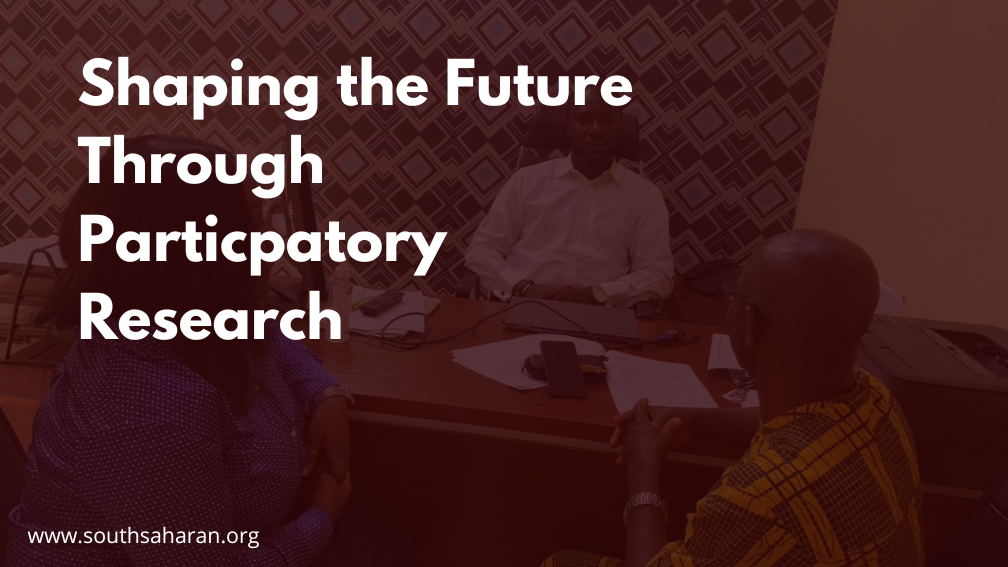
This will help to identify the pressing challenges and ascertain the need assessment of beneficiaries in the program. The research was conducted through an interview by the NTBLCP research lead, Alobu Isaac. He interviewed South Saharan Social Development Organization’s Executive Director, Dr. Stanley Ilechukwu and the DR-TB project lead, Obianuju Ezeike.

The research feedback also focused on persons with disabilities and how the program will better serve their needs. Ensuring the program is well-rounded and inclusive.

Adherence Counseling and Drug Adherence: The Key to Recovery

Research shows that Nigeria ranks high among the high-burden countries for Tuberculosis and has a low detection rate. It is estimated that there are 460,000 new cases and around 245,000 deaths occur annually. Nigeria is one of the eight countries that accounts for 86 percent of all TB cases in the world. 

Understanding this crisis, South Saharan Social Development Organization, in partnership with Association for Reproductive & Family Health-ARFH and the Enugu State Tuberculosis and Leprosy Control Unit, is playing its part through The Global Fund Community Drug-Resistant Tuberculosis (DR-TB) project in reducing this epidemic in Enugu state. 

The project supports DR-TB patients on their road to recovery. As well as ensures beneficiaries adhere to treatment and don’t miss the Out of Patient Department (OPD) clinic. The initiative also provides on-site training to treatment supporters and executes routine household visits to beneficiaries to ensure adherence. 

There are currently 26 beneficiaries on the project. Every month, SSDO’s health officer provided adherence counselling and conducts household visits to beneficiaries. The project also provides monthly transport support to the patients and their treatment supporters.