SSDO

07/03/2023 – The Fight Against Gender Imbalance and Land-Grabbing

The Jostle for Earth’s Most Precious Resource

Land is one of the most fiercely contested resources in the world over. And Nigeria isn’t any different. This resource has constantly been a cause for dispute and conflicts nationwide. Lands are a source of livelihood, survival and wealth creation, hence the constant need to acquire and possess. At the community level, it is a source of socioeconomic empowerment and carries some form of identity and symbolic association with family lineage.

In the South West, we often see disputes between land grabbers, communities, and supposed private individuals who have purchased these properties. Up North and the southeast, there are clashes between farmers and herders who compete for the earth’s resources to fuel their livelihood. But beyond the farmer-herder clash in the southeast, there is also the challenge of erosion, which further exacerbates land scarcity and reduces arable land.

Gender Imbalance and Disparity

However, more pressing is the effect of cultural norms and practices, which places women at a disadvantage when it comes to land usage and ownership.

Disinheritance of landed properties is one of the most prevalent forms of gender- based violence (GBV) in the southeast and has affected many widows across the region. The inability of women to access these landed properties due to cultural norms in a patriarchal society has led to abuse, trauma, and impoverishment.

Women in rural areas in Southeast Nigeria, who comprise over 67 percent of the region’s labor for subsistence and commercial agriculture, depend on the indigenous lands to sustain their livelihood, despite owning only about 10 percent of the land.

This shows a huge gender imbalance and disparity in land ownership in the southeast.

Research from USAID shows that gendered power imbalances affect women’s ability to access, use, control and benefit from land. This reality limits women’s economic empowerment and perpetuates poverty. For rural communities, discrimination can be even more pronounced, meaning they have even fewer rights and less access to

land than their male counterparts.

Ignorance of the Law, a Punishment for Rural Women?

Nigeria has legal mechanisms in place to protect the rights of these women, like the Nigerian Marriage Act and the Nigerian Administration of Estate Act, which guarantee

“Nothing in the world is more dangerous than sincere ignorance.” – Martin

Luther King Jr.

Their absence from decision-making spaces like the traditional ruling councils where land disputes are first adjudicated and the absence of land activists to advocate for their rights limits access to these resources.

SSDO’S Impact

Understanding how these factors affect women in rural communities, South Saharan Social Development Organization, SSDO, is raising awareness about women’s rights to own landed properties and helping them seek redress on land grabbing

through the Sister Guardian Initiative in communities across the southeast. The Sister Guardian Initiative (SGI) is SSDO’s flagship on reducing violence against women at the community level. The SSDO-funded project institutes community- based women groups -SGI Chapters, to advocate against GBV and provide

immediate survivor-centered support to survivors through counselling, temporary shelters, and referrals.

The program also builds the capacity of law enforcement and health officials to respond to GBV cases according to international best practices; and support traditional leaders to institutionalize by-laws against GBV. It is currently being implemented in 19 communities in Enugu and Anambra states.

The Sister Guardian Initiative is playing its part in changing the narrative, one community at a time. So far, the SGI has supported over 3,000 women, ensured the inclusion of women in the traditional ruling council of six communities and successfully introduced by-laws criminalizing GBV in four communities.

Helping Alice Recover Her Land

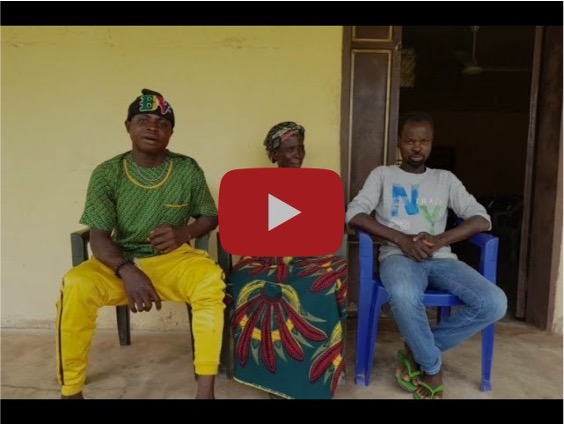
The SGI chapter in Ihenyi community, Isi-Uzo LGA, Enugu, recently helped a widow, Ogbuebor Alice, reclaim her land after much tussle with her husband’s brother. The Gender Protection Lead for SSDO, Blessing Uchendu, spoke about the intervention by the SGI. Blessing recalled, “The land tussle started over thirty years ago when

Alice’s husband passed on and her kids were still little. Her husband’s brother laid claim over the piece of land as the rightful owner as opposed to the norm, which was supposed to be Alice’s kids.”reported the case, and the group mediated. Only for the uncle to return this year and dispose them off the land.

“The case was reported to me that Alice’s husband’s brother was back making an ownership claim of the parcel of land. The SGI intervened again but, this time, swiftly moved the case to the Igwe’s cabinet for further adjudication. Members of the Igwe’s cabinet then divided the land equally among both parties, but he still went back on the decision and took the land for himself.”

Ogbuebor Emeka, Alice’s younger son, shares more insight. “In the scuffle for the

land, he arrested me and put me behind bars for three days until my family met the bail conditions. He threatened us never to set foot on the land again.”

Blessing Uchendu confirmed that after many threats, the case was charged to the court. “On the first hearing, Alice’s husband’s brother didn’t show up, and the case was adjourned. On the second hearing, he still didn’t show up, and the court dismissed the case.” Alice and her family can now resume farming activities to guarantee their livelihood courtesy of the SGI intervention. Many women still suffer from discriminatory norms, ignorance of their rights, as well as from power imbalances in the community. SSDO is ever committed to reducing gender imbalances

04/27/2023 – Local Solutions, Global Impact

SSDO NEWSLETTER, VOLUME 7, ISSUE 1.

The first quarter of 2023 has been an eventful one, particularly politically. The country conducted its general elections, tainted with good, bad, and ugly. Compared to past elections, this has been one of the most anticipated elections, and rightfully so. The country’s dire economic situation over the past few years, particularly the past few months, has triggered and compelled people to participate in the process.

People now see the polls as the viable way to make their agitations known and their voices heard. Before the elections, the naira redesign and scarcity was another pressing issue Nigerians had to deal with. But with the redistribution of the old notes, the scarcity is fading away. Good governance is always a two-way street, and again the recent happenings in the nation show that the government needs to be more sensitive to the needs of the people.

Over the past quarter, South Saharan Social Development Organization, SSDO, has been playing its part in enriching lives through good governance and education interventions. The organization has focused on sensitization programs, capacity building, women’s advocacy and empowerment, WASH infrastructure provision, and needs assessment to improve service delivery in its target areas. Here’s a highlight of the quarter’s activities.

SSDO Launches Zero Election Violence Social Media Campaign

Nigeria’s political history is replete with narratives and instances of electoral violence. In less than a year, violence has spiked across the country’s six (6) geopolitical zones. As the 2023 election cycle draws near, the prospects of a violent contest loom, especially in the face of a battle for survival between the major political parties. Electoral seasons, more than ever, reveal the fragility and soft underbelly of the Nigerian state.

Understanding that elections are pivotal to the growth and development of the country and how election violence has deprived many people of a fair chance of exercising their franchise, South Saharan Social Development Organization, SSDO, is launching the #ZeroElectionViolence campaign.

The project aims to educate and sensitize the electorate to shun all forms of electoral violence. So far, the campaign has reached over 100,000 people and helped to curb election-related violence in the southeast by 50 percent.

SSDO, WaterAid Nigeria Conducts Training for Community-Based Campaign

To support the efforts of the government to halt the spread of infectious diseases such as Diarrhea, cholera, coronavirus, and other WASH-related diseases; and consolidate on the gains and wins from previous projects in Enugu state, WaterAid Nigeria and South Saharan Social Development Organization (SSDO) conducted a practical training on Hygiene Behavior Change.

The training was designed to prepare facilitators for the community-based campaign under the Hygiene Behavior Change Coalition (HBCC) Phase II project and Heineken African Foundation (HAF) Phase III project. It covered behavior change analysis, theory of change, hand washing, food hygiene, safe use of water, and covid-19 vaccine uptake.

A community session manual was used to teach the participants the best approaches for community entry, program implementation, and creative approaches to achieve behavior change. .

Infection and Prevention Control Training

Healthcare workers are the backbone of an effective healthcare system. Health officials are often front liners providing essential services at the community level. Based on the sensitivity of their jobs, they are frequently exposed to infections and diseases.

Understanding the constant risk healthcare workers are exposed to, WaterAid Nigeria and South Saharan Social Development Organization saw the need to organize a training workshop to strengthen the capacity of about 100 healthcare workers in Enugu State on infection and prevention control (IPC).

The workshop covered environmental cleaning and disinfection, disease transmission, and precautions. Participants were better equipped on how to protect themselves and avoid being a source of infection to patients.

SSDO, WaterAid Nigeria Organizes Election Campaign Press Conference

Enugu’s topography has posited water scarcity for over two decades. Research shows that half of the state’s residents lack basic water services. And in 2020, the state declared a state of emergency in the Water, Sanitation, and Hygiene (WASH) sector. It inaugurated an 18-man committee to revamp the sector, yet the state’s WASH challenges persist.

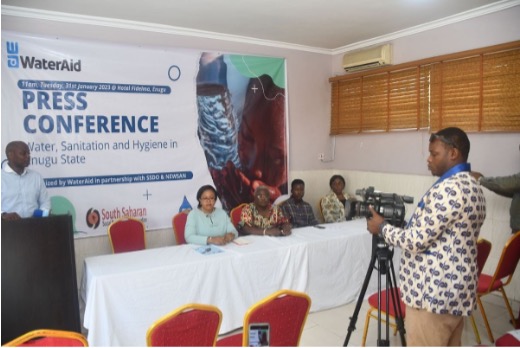
Understanding these challenges, WaterAid Nigeria, in partnership with South Saharan Social Development Organization and The Society for Water and Sanitation (NEWSAN) Enugu, organized an Electoral Campaign press conference to achieve the following:

  • Sensitize the public on the importance of WASH prioritization.
  • Garner the commitment of gubernatorial aspirants to prioritize access to efficient and equitable WASH services in the state.
  • Engage the media as pressure groups to sustain the campaign for WASH in the state.

Igbo-Eze North LGA Stakeholder Engagement and Community Triggering

Over 47 million Nigerians still practice open defecation (OD), and Enugu state is not exempted as about 47 percent of the populace still practice open defecation. This is a pointer to the lack of proper toilet infrastructure and water facilities, especially in rural communities.

Understanding this challenge and looking to ensure its eradication, South Saharan Social Development Organization, in partnership with WaterAid Nigeria, organized a Community Stakeholder Engagement on Ending Open Defecation in Igbo Eze North LGA. The engagement aimed to gather stakeholders’ commitment to enacting and domesticating a bye-law against open defecation in the LGA. As well as to develop action plans and roles of the community leaders in achieving open defecation.

At the end of the engagement, the traditional rulers, legislative council representatives, and the council secretary representative agreed to develop a bye- law to eradicate open defecation in Igbo-Eze North LGA. As well as intensify efforts to improve sanitation and hygiene awareness in the LGA.

Capacity Building for Women at the Community Level

One of the reasons why the rate of gender-based violence is higher in communities is that most rural communities in Nigeria do not have structures to support women facing domestic violence. The little support that exists – pro bono legal services and safe houses, can only be accessed in the state capitals.

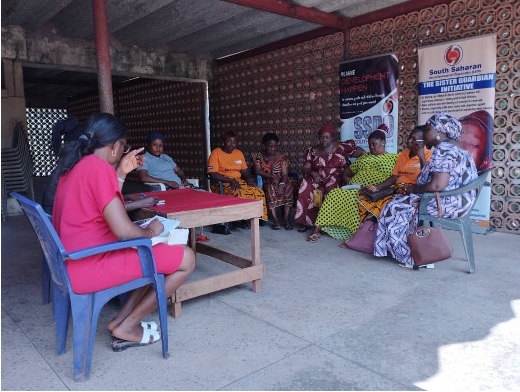
Understanding these concerns and needs, South Saharan Social Development Organization, SSDO, is implementing the Sister Guardian Initiative to reduce violence at the community level. Over the past quarter, SSDO’s Gender and Jacob’s Well Project Officer visited some of the project communities. These visits helped monitor the initiative’s progress, build the capacity of the Sister Guardians, and conduct a need assessment evaluation to strengthen the initiative in the target communities.

The women were also sensitized on pressing societal issues and how best to tackle them to reduce challenges. They were enlightened on the coming elections and how to cast their vote correctly, avoid vote selling, how to stand for elections subsequently, and the need to embrace the cashless policies and better run their businesses. The team also helped resolve an ongoing dispute among a couple in Orokoro community.

SSDO, ActionAid Nigeria Organizes Election Observer Training in Enugu

South Saharan Social Development Organization, SSDO, participated in the 2-day training of election observers organized by ActionAid Nigeria in Enugu to build the team’s capacity and empower them with the needed skill and knowledge to observe the upcoming general elections effectively.

The aim of the training is to empower election observers to take democratic actions in the general elections and improve citizens’ election observation capacity towards promoting good governance.

After the training, SSDO organized a 2-day step-down training for election observers in the three communities where the Local Rights Programme, LRP, is being implemented in Enugu state. Udochukwu Egwim, Head of Programs, Priye West, LRP Officer, and Perpetual Njoku, Child Sponsorship Officer, facilitated the training.

SSDO, WaterAid Nigeria Organizes Environmental Health Club Training

South Saharan Social Development Organization, in partnership with WaterAid Nigeria, organized a 6-day environmental health club training to strengthen the capacity of sixty teachers from thirty schools on the Hygiene Behavioral Change campaign intervention package under the Hygiene Behavioral Change Coalition Phase II project in Enugu State.

The training covered topics such as hygiene promotion for children, disease transmission routes, food hygiene, menstrual hygiene management, safe water chain, sanitation and waste management, and establishment of environmental health clubs, amongst other topics.

This training equipped the teachers to form environmental health clubs in their schools to promote good hygiene among students and teachers. Participants were better equipped to manage their hygiene, learn new behavioral habits, and be change agents.

Drug Adherence and Counseling: The Key to Recovery

Research shows that Nigeria ranks high among the high-burden countries for Tuberculosis and has a low detection rate. It is estimated that 460,000 new cases and around 245,000 deaths occur annually. Nigeria is one of the eight countries that accounts for 86 percent of all TB cases globally.

Understanding this crisis, South Saharan Social Development Organization, in partnership with Association for Reproductive & Family Health-ARFH and the Enugu State Tuberculosis and Leprosy Control Unit, is playing its part through The Global Fund Community Drug-Resistant Tuberculosis (DR-TB) project in reducing this epidemic in Enugu state.

The project supports DR-TB patients on their road to recovery. As well as ensure beneficiaries adhere to treatment and don’t miss the Out of Patient Department (OPD) clinic. SSDO’s health officer periodically provides adherence counselling and conducts household visits to ensure beneficiaries are on track to recovery. There are currently 33 beneficiaries on the project, and six beneficiaries have completed treatment.

SSDO, WaterAid, and ActionAid Conducts Media Tour to Commemorate International Women’s Day

International Women’s Day is a global day to celebrate women’s socioeconomic, cultural, and political achievements. It is also a unique opportunity for women to rally and advocate for equal treatment and representation. South Saharan Social Development Organization in partnership with ActionAid and WaterAid Nigeria, conducted a media tour in Enugu state to raise awareness on the rights and needs of women.

The first stop was a radio show to sensitize women and girls on leveraging digital technology to gather and preserve evidence in gender abuse cases. As well as educating women on using digital tools and the internet to improve their socioeconomic status in line with the theme, DigitAll: Innovation and technology for gender equality.

The second stop was a radio show to discuss women’s role in managing Water, sanitation, and hygiene (WASH) Facilities at the community level. This radio sensitization served as an avenue to enlighten the public on the need for the government to build the capacity of more women in the construction and technical aspect of the water sector. As well as how poor access to WASH facilities affects women and the girl child.

The third stop was a tv program where SSDO’s Gender officer talked about the need for equity across sectors to fast-track change for women. As well as the impact of the Sister Guardian Initiative in reducing violence in the southeast.

SSDO, WaterAid Nigeria Commemorates World Water Day 2023

Enugu’s topography posits a perennial water scarcity challenge. This scarcity results in inadequate sanitation and poor hygiene practices. People hence result to open defecation and recycling dirty water. Using this contaminated water increases the risks of cholera, diarrhoea, dysentery, and typhoid.

Understanding this challenge, South Saharan Social Development Organization, in partnership with WaterAid Nigeria, commemorated World Water Day in Igbo-Eze North LGA through a community stakeholder engagement.

The event aimed to trigger schools and community members on the effects of Open Defecation and raise awareness on hygiene through the Hygiene Behavioral Change exercises. Dignitaries present include commissioners from different ministries, council chairs, traditional rulers, president generals, and community and women leaders. Going forward, community leaders committed to continuously sensitize their communities and improve hygiene and sanitation.

Empowering the Child Through Child Sponsorship Mechanisms

Research shows that over 90 million Nigerians live below the poverty line. A good percentage live in rural and marginalized communities. These communities are characterized by poor access to healthcare and education, lack of infrastructure, and low-income level. This affects their standard of living and quality of life, of which kids are the biggest victims.

Understanding this reality, South Saharan Social Development Organization, in partnership with ActionAid Nigeria through the Local Rights Programme, is doing its part to improve education in marginalized communities. The program aims to reduce poverty by increasing its engagement with the poor and marginalized in selected communities through its Child Sponsorship mechanisms.

The child sponsorship initiative identifies vulnerable children aged 3 to 8 years and attaches them to sponsors. Over the past collection period, the team collected 403 child messages across eight communities. Our motivation is to see the children and the communities at large be all that they can be.

SSDO, WaterAid Nigeria Unveils WASH Harmonization Plan

The success of any project is hinged on the ability of the stakeholders to liaise effectively to deliver cross-cutting solutions that will ultimately improve the lives of beneficiaries.

Understanding the importance of partnership to the growth of the Water, Sanitation, and Hygiene (WASH) sector in Enugu state, South Saharan Social Development Organization, in partnership with WaterAid Nigeria, organized a WASH sector stakeholder engagement in collaboration with the Society for Water and Sanitation (NEWSAN) Enugu State chapter, and Small Town Unit (STU) –Ministry of Water Resources.

The meeting’s objective was to remove sectional barriers in WASH-related interventions across the state and to harmonize and improve the dissemination of WASH activities across partners. Going forward, the group hopes to conduct advocacy visits to the incoming government and improve its joint efforts to consolidate progress in the WASH sector. Ultimately improving access to water and sanitation facilities in the state.


02/02/2023 – SSDO Launches Zero Election Violence Campaign

While executing Project 100 – Rural Election Drive, we got disturbing feedback from the town criers in some communities, which have been an albatross plaguing the political space since the return to democratic rule: election-related violence. In certain communities, town criers were chased, embarrassed and prevented from disseminating information in their communities. We realized that this had been an age-long challenge. In a survey, we also sampled the public’s opinion and realized that 67 percent of people believe the 2023 elections will be marred with violence.

Nigeria’s political history is replete with narratives and instances of electoral violence. In less than a year, violence has spiked across the country’s six (6) geopolitical zones. As the 2023 election cycle draws near, the prospects of a violent contest loom, especially in the face of a battle for survival between the major political parties. Electoral seasons more than anytime else, reveals the fragility and soft underbelly of the Nigerian state.

Over the years, we have seen how the bitter struggle for power by the elites has resulted in violence, loss of lives, and properties in different election cycles. Violence has been weaponized as a tool to neutralize opponents and destabilize voters and the opposition’s performance at the polls. The country’s dire economic situation, inequality, perceived injustice, and high youth unemployment have made it easy for people, especially youths, to become tools to cause mayhem for these politicians at the promise of a taste of power or a better life.

After over twenty-three years of uninterrupted democratic government in Nigeria, concern for the consolidation of democracy remains among Nigerians. And electoral violence is one of the significant factors affecting the consolidation of democracy in Nigeria.

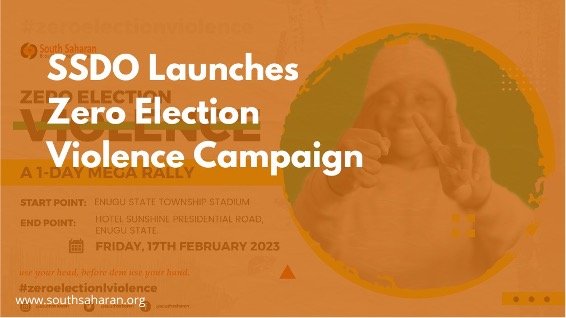
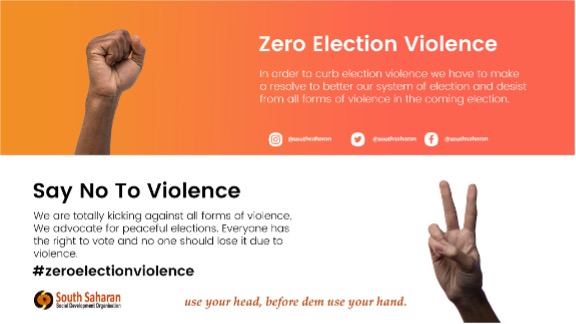
Understanding that elections are pivotal to the growth and development of the country and how election violence has deprived many people of a fair chance of exercising their franchise, South Saharan Social Development Organization, SSDO, is launching the #ZeroElectionViolence campaign.

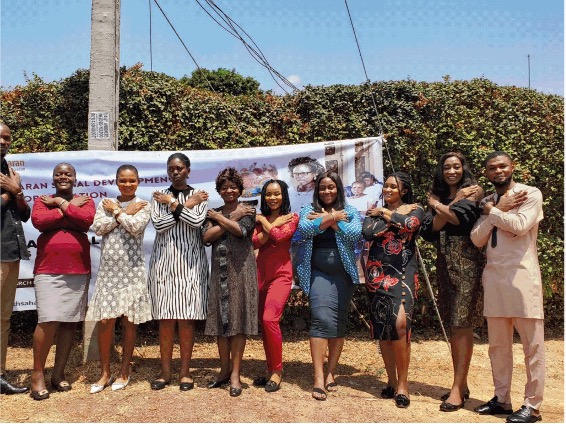
The project aims to educate and sensitize the electorate on the need to shun all forms of electoral violence. We shall create and institutionalize a unique #ZeroElectionViolence hand symbol and popularize the hashtag – #ZeroElectionViolence across all social media platforms. We will end the campaign with a mega rally to have a well-rounded effect.

The overall objective of the project is to:

Convey the #ZeroElectionViolence message through an innovative symbol and other creative channels.

Secure the commitment of election stakeholders to non-violent campaigns and peaceful conduct of elections.

We shall collaborate with the traditional media to increase the campaign’s reach through radio jingles, influencers, and celebrity endorsements. We believe strongly that by the end of the project, there will be a sharp decline in youth participation in youth violence and increased awareness of the electorate on the need to embrace peaceful conduct.

01/26/2023 – Project 100: Impact So Far

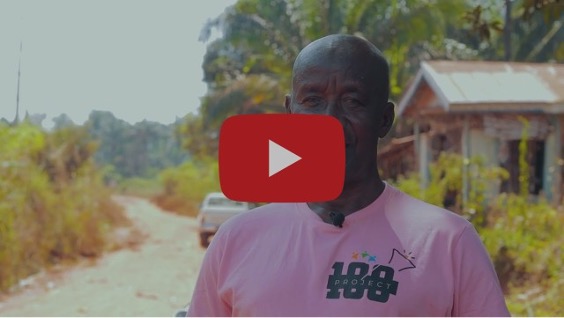
Over the past month, South Saharan Social Development Organization, SSDO, has been implementing Project 100 – Rural Election Drive. The project aimed to sensitize and trigger the rural community dwellers, who are often less interested in good governance based on their predicament. The project enlightened communities and helped them see beyond their immediate challenges: poverty, lack of infrastructure and water… Highlighting the need to be involved in the election process, as it was their best chance at changing the status quo.

Often, you realize rural communities are disenfranchised largely due to a lack of information on what to do at the right time. Hence, we used town criers based in these communities to be a constant source of information to community dwellers and help them see the need to be accountable citizens. We can say that this effort has yielded enormous results as there’s been increased PVC pickup across the communities.

However, we got disturbing feedback from town criers in some communities, which have been an albatross plaguing the political space since the return to democratic rule: election-related violence. In certain communities, town criers were chased, embarrassed and prevented from disseminating information in their communities. With the hooligans saying they don’t want anything to do with politics or thinking, the town criers were campaigning for a particular candidate.

Over the years, we have seen how the bitter struggle for power by the elites has resulted in violence, loss of lives, and properties in different election cycles. Violence has been weaponized as a tool to neutralize opponents and destabilize voters and the opposition’s performance at the polls. The country’s dire economic situation, inequality, perceived injustice, and high youth unemployment have made it easy for people, especially youths, to become tools to cause mayhem for these politicians at the promise of a taste of power or a better life.

It is important for all stakeholders to commit to its eradication by advocating

#ZeroElectionViolence.

Do you think violence will disrupt the 2023 elections?

Yes

No

12/16/2022 – Impact That Lasts

SSDO NEWSLETTER, VOLUME 6, ISSUE 4.

Compliments of the Season!

Our strategic objectives over the next five years are to respond to cross-cutting governance issues across the Nigerian geo-political landscape and to expand educational opportunities for the burgeoning youth population. Our project activities over the past few weeks are indicators of the direction we’re headed.

We’ve been deliberate about engaging relevant stakeholders, conducting high-level advocacy visits to key government agencies, as well as being sensitive to the most pressing governance issue in the country presently, the elections. We have been able to play our part with the launch of a new project, Project 100, aimed at sensitizing people about voter education in rural communities, picking up their voters’ cards, and exercising their civic rights.

Another key governance issue we focused on is gender equality and women empowerment. For any society to succeed, women must have equal access to economic and educational opportunities as men. Through, the Sister Guardian Initiative, we’ve been able to advocate more for women’s rights, reduce gender- based violence in our catchment areas, and equip them to be better members of society.

In the last quarter, SSDO has also focused on sensitization rallies, service delivery, capacity building, women empowerment, and advocacy. Here’s a highlight of how SSDO has been contributing its quota to good governance and education.

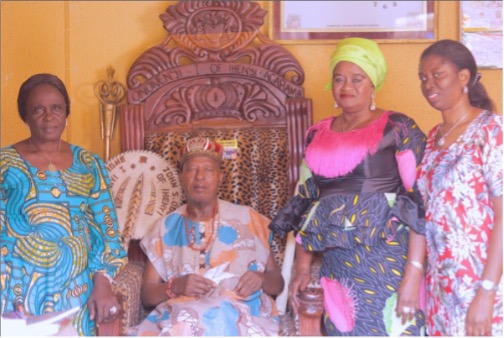
Sister Guardian Initiative Advocacy Visits to Traditional Rulers

We understand the place of advocacy in seeing a behavioral change in communities. Particularly concerning the reduction of gender-based violence. It helps to promote human rights, social inclusion, equality, and social justice.

Understanding its importance in executing the Sister Guardian Initiative, South Saharan Social Development Organization, SSDO places a premium on advocacy to traditional rulers of Aduachi and Ihenyi communities to ascertain the level of inclusion and participation of women in their cabinet. The traditional rulers confirmed that the women are actively involved in the decision-making processes of the traditional ruling council. So far, courtesy of the program’s advocacy efforts, six communities in Enugu have included women in their Traditional Ruling Councils.

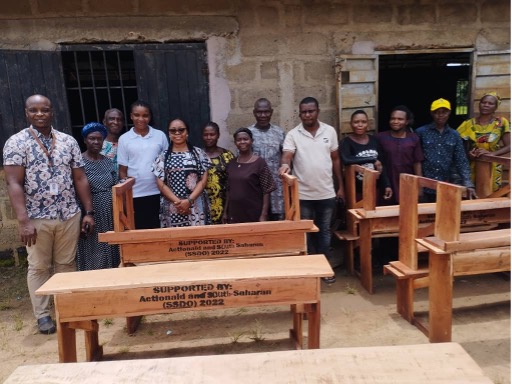
SSDO, ActionAid Hands Over Thirty Desks to Three Schools

“Education is the most powerful weapon which you can use to change the world.” – Nelson Mandela

Marginalized communities are often characterized by a higher prevalence of poverty, lack of infrastructure, and low access to healthcare and education, of which the biggest victims are children. This affects their standard of living and quality of life. There has to be a deliberate focus to improve access to health and education for such communities to improve development.

Understanding this need, South Saharan Social Development Organization in partnership with ActionAid Nigeria through the Local Rights Programme is doing its part to improve education in marginalized communities.

The project provided ten 4-seater desks each for Divine Favour Nursery and Primary School Abor Isiala Community in Isi Uzo LGA, Community Primary School, Oduma Achara, Ani-nri LGA and Community primary school Nkume Community, Uzo Uwani LGA.

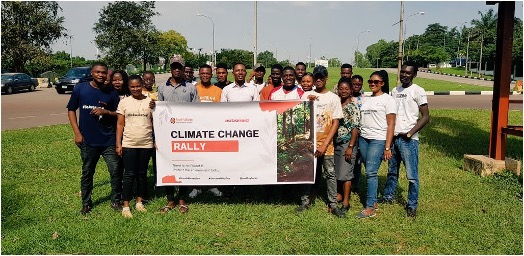
SSDO,   ActionAid   Organizes   Sensitization    Rally   on   Climate

South Saharan Social Development Organization is playing its part in creating awareness and sensitizing people on steps to take to combat climate change.

Over the past few weeks, different states have felt the sting of the floods. In as much as the government has a role, we also have a part to play to ensure the earth is habitable and safe. The effect of human activities has a telling effect on the atmosphere.

Hence, the need for sensitization to raise awareness about climate change. The effect of climate change is made evident in drought, erratic rainfall, hotter temperatures, loss of food, and rising sea levels. And nobody is exempted from these devastating effects.

The message was simple:

  • Cut down waste
  • Conserve water
  • Plant a tree
  • Walk more
  • Spread the word.

Commemoration of Global Handwashing Day at Igbo-Eze North LGA

Global handwashing day is recognized the world over as a day dedicated to increasing advocacy and awareness of the importance of handwashing with soap as an effective way to prevent diseases.

WaterAid Nigeria, in partnership with South Saharan  Social Development Organization, the Ministry of Water Resources, and the Enugu State Universal Basic Education Board (ENSUBEB), organized an outreach to two schools to commemorate this year’s event: Township School 1 Ogrute and Community Primary School Ugwu-Amufie both in Igboeze North LGA.

The pupils were taught the six critical times to wash their hands, alongside the techniques for handwashing; this session was facilitated by a state Ministry of Water Resources representative. Handwashing buckets and liquid soaps were presented to the two schools also to promote hand hygiene in the schools.

The visiting team inaugurated the Environmental Health Clubs that had been established and trained by the WASH Unit of the Local Government. The outreach directly impacted 174 students in both schools.

Sister Guardian Initiative Toolkit Development Workshop

One reason why violence against women, especially at the community level, seems to be a non-ending cycle is that often, the perpetrators of these heinous acts are not made to face the wrath of the law. The victims or the community sometimes protect them. And in other cases, victims don’t know how to protect themselves under the purview of the law.

Understanding the place of the law and people knowing their rights in curbing gender-based violence, South Saharan Social Development Organization conducted a one-day workshop for 37 women of the Sister Guardian executives from the 19 communities where the project is currently running. The women comprised the presidents and secretaries of each chapter of the initiative.

The workshop aimed to build the capacity of the Sister Guardians on the provision of the constitution on violence against women and the associated punishment. The Sister Guardian toolkit was also reviewed and unanimously validated for adoption. The Violence Against Persons Prohibition (VAPP) law was also reviewed to help women be well-rounded in tackling gender-based violence cases.

Going forward, this workshop will better serve the Sister Guardians to better advocate, mediate, and proffer solutions to gender-based violence cases they deal with.

Jacob’s Well Micro-Credit Scheme: Impact That Lasts

Women have a huge role to play in nation-building. Gender inequality, unpaid care, and a largely unskilled women’s group are some issues that hold them back.

Understanding these challenges, South Saharan Social Development Organization is empowering women through its Jacob’s Well micro-credit scheme. The project is helping women achieve financial independence and reduce poverty.grow their businesses. They were trained in financial literacy, risk management, savings culture, and business and cooperative management to help sustain and grow the venture.

A sum of 2.85 million naira was disbursed to these women with no collateral required leveraging the social trust within the cooperative mechanism to ensure compliance across the board.

Women’s Peer Education Training

Through years of working on projects at the community level, we realize that women and girls are hugely disadvantaged. They have often been marginalized and segregated to the background on so many fronts in society. One of the primary reasons for marginalization is the inequality between men and women in accessing and controlling resources.

And as such South Saharan Social Development Organization, in partnership with ActionAid Nigeria, seeks to foster women’s empowerment through peer education. This initiative aims to advocate for women’s rights and bridge women’s capacity deficiency at the community level.

The three-day training was facilitated by the project lead, Perpetual Njoku, SSDO’s Gender Officer, Blessing Uchendu, and SSDO’s Good Governance Lead, Nkem Awachie. The training was executed using the Women Peer Education Resource Kit.

It covered essential areas such as personal development, hygiene, livelihood, nutrition, and inclusion. The women were taught how to mobilize and organize for collective actions, rights and responsibilities, family and community relationships, and well-being.

SSDO Launches Project 100 – Rural Election Drive

Since the inception of democracy in Nigeria in 1999, voter apathy has continued to rise, with a dwindling number of voters at the polls. This has led to massive disenfranchisement, especially in rural areas.

Nigeria’s rural population makes up 48 percent (99 million) of the nation’s size. Still, the rural community is nowhere to be found when it comes to citizen participation and its resultant effect on governance. These communities are characterized by high population density, poor infrastructure, high levels of illiteracy, and extreme poverty.

These factors have negatively impacted the ability of the rural population to participate in nation-building. If about half of the country’s population is shut out fro the dividends of democracy and its processes, it is safe to say policies and government implementation will have an urbanized rather than a truly national impact.

However, for any of these pitiful circumstances to change, it starts with citizens’ active participation in the electoral process in rural communities.

SSDO Commemorates 16 Days of Activism

South Saharan Social Development Organization, SSDO commemorated 16 days of activism to end violence against women and girls under the theme, “Unite! Activism to End Violence Against Women and Girls.” SSDO organized a training and workshop session in Afa community, Udi LGA, and Awhandiagu community in Ezeagu LGA.

SSDO’s Gender and Protection Officer, Blessing Uchendu, facilitated the training session in the two communities. She highlighted the need for the inclusion of punishments in bye-laws to reduce violence against women. She stated the importance of women being in leadership and political positions as well as educating the communities on how to handle GBV cases effectively.

Stakeholders at the event include men and women leaders, the police, religious leaders, and youth leaders. SSDO is committed to disrupting and ending all forms of violence against women and girls. It is time to amplify the voices of survivors, reduce and prevent violence against women and girls, protect women’s rights, and seek justice for survivors.

PAWED Advocacy Visits to Government Ministries

To strengthen the capacity of women’s economic collectives in Enugu state, members of the Partnership for the Advancement of Women’s Economic Development (PAWED) coalition embarked on an advocacy visit to various ministries: the Enugu Ministry of Budget and Planning, Ministry of Information, Economic Planning Commission, and Enugu SME Center.

The policy dialogue session leading to the advocacy visit discussed several issues surrounding Women’s Economic Empowerment (WEE). After deliberations by stakeholders from different sectors, it was decided that the most urgent issue was “low public awareness of existing economic empowerment opportunities.” The PAWED coalition appealed to the ministry to capture programs and projects that foster women’s economic empowerment in the government budget and expressed readiness to collaborate with the ministry to facilitate a better environment for women. The Honorable Commissioner, Dr. David Ugwunta, noted that the state

He also called their attention to ongoing economic empowerment programs by the government but agreed that there is a need to increase public awareness of existing economic opportunities. He also expressed the willingness of his Ministry to work with the coalition and support advances for WEE.

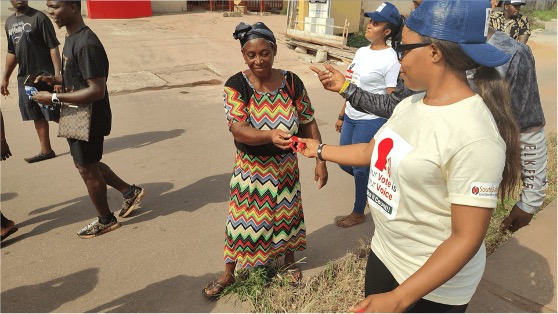
SSDO, ActionAid Organizes Sensitization Rally on PVC Collection and Voters’ Education

South Saharan Social Development Organization in partnership with ActionAid Nigeria under the Strategic Partnership Agreement II project organized a civic awareness and sensitization rally on the Permanent Voters Card (PVC) collection across Enugu state.

The Independent National Electoral Commission has announced that Permanent Voters Cards (PVC) would be ready for collection from the 12th of December 2022 to the 22nd of January 2023. The commission also promised to devolve the collection of PVCs to registration areas and wards from 6th to 15th January 2023.

The rally aimed to encourage people to pick up their PVCs, go out and vote, and protect their vote as active citizens of the country which is well within their civic rights.