

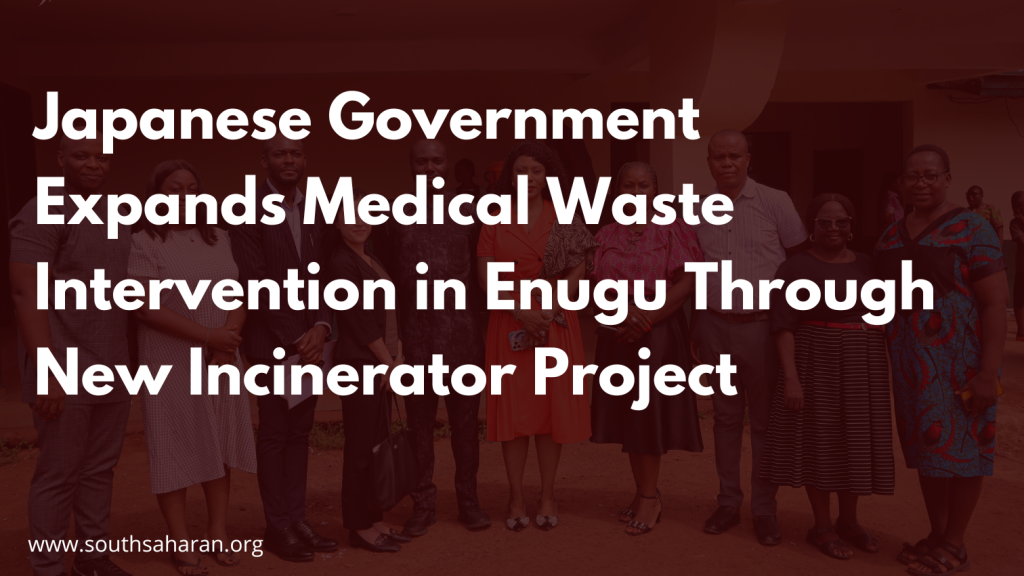
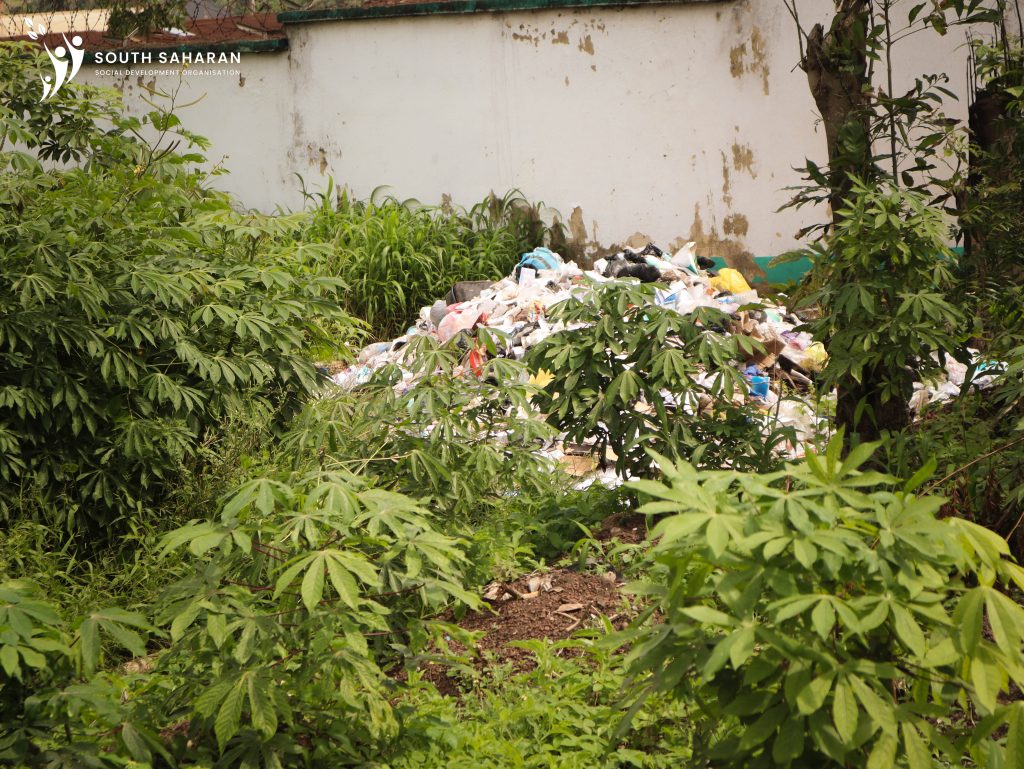
South Saharan Social Development Organisation (SSDO), in partnership with the Embassy of Japan in Nigeria, is set to implement a major health infrastructure project to tackle hazardous waste disposal in Enugu State. Through the Grassroots Human Security Project (GGP), the Japanese Government is funding the installation of a medical waste incinerator at Abakpa Health Centre, strategically positioned to serve both public and private health facilities in Enugu East Local Government Area.
This intervention addresses long-standing challenges around waste management, improves infection control, and strengthens healthcare delivery systems across the LGA.
A Strategic Collaboration for Safer Healthcare
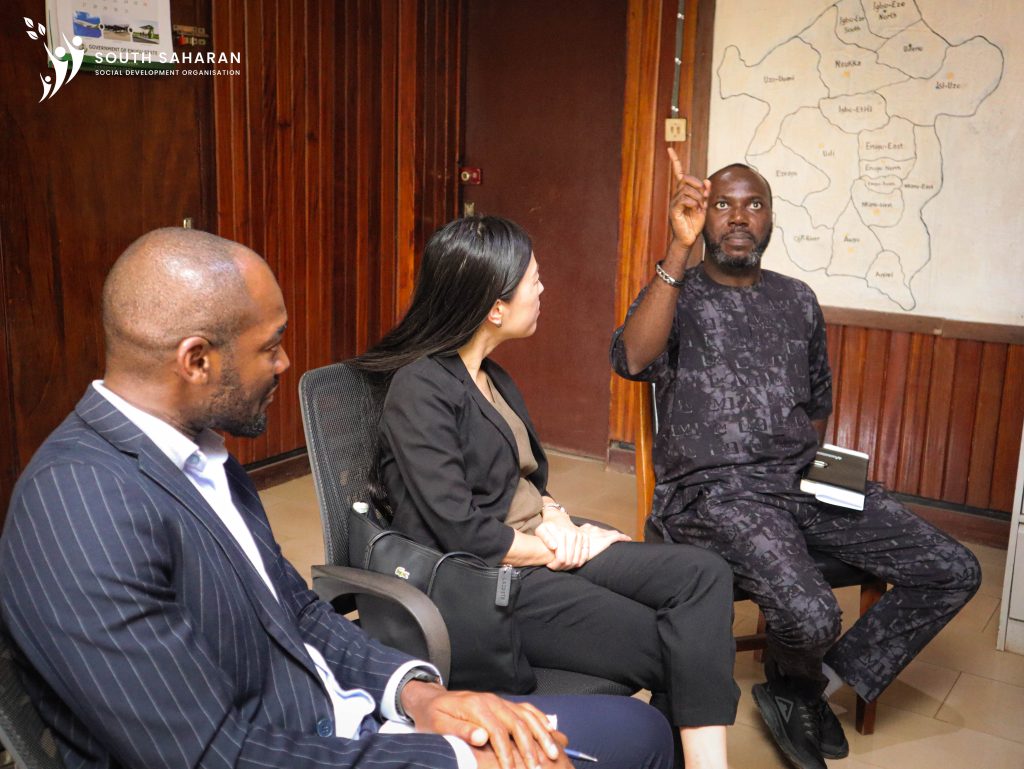
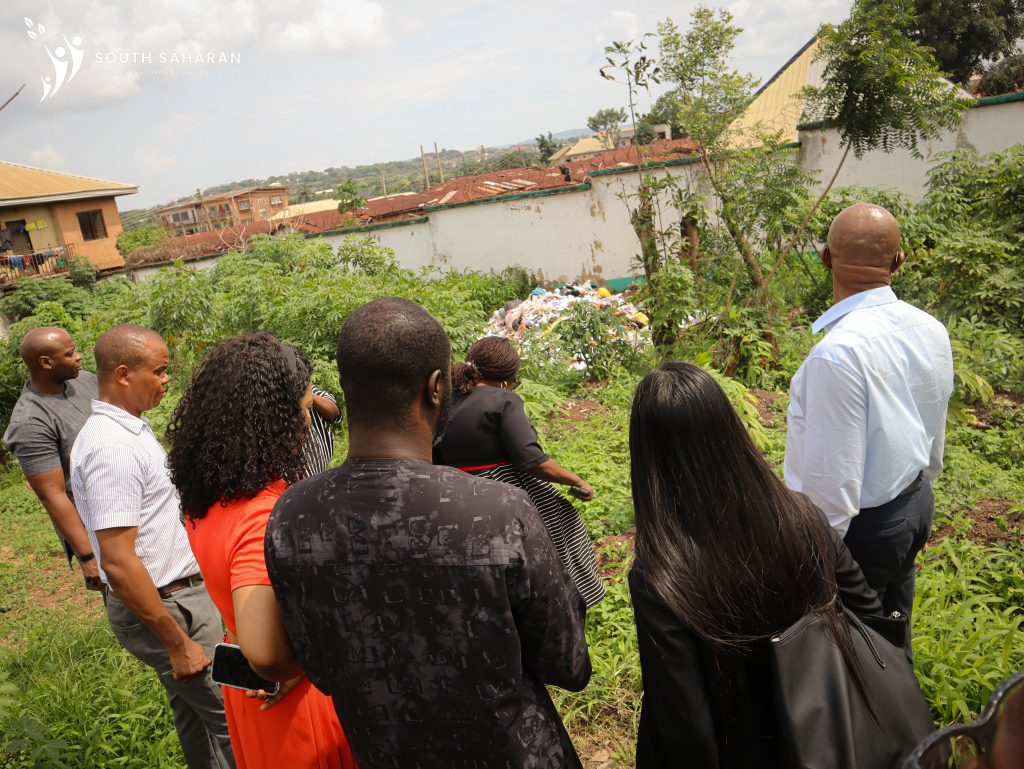
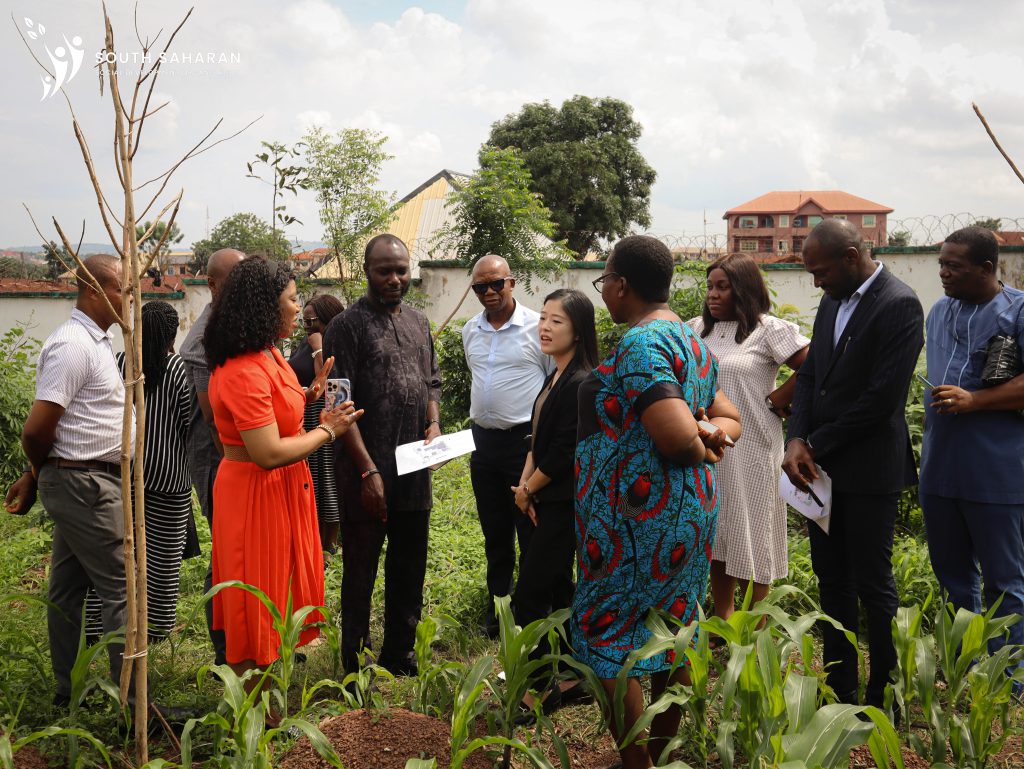
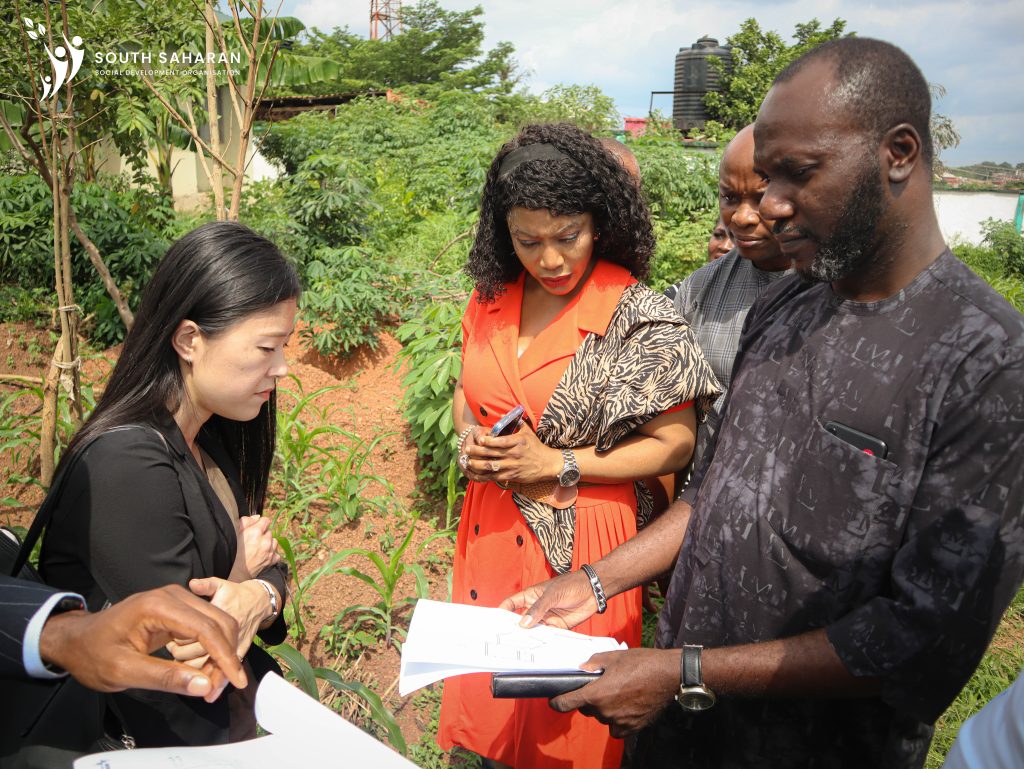
A high-level delegation from the Embassy of Japan in Nigeria, led by GGP Coordinators Wakana Deguchi and Kenechukwu Adibe, visited Enugu to assess the project’s implementation pathway. They were received by SSDO’s leadership, headed by Dr. Stanley Ilechukwu, and welcomed by health stakeholders across the state.
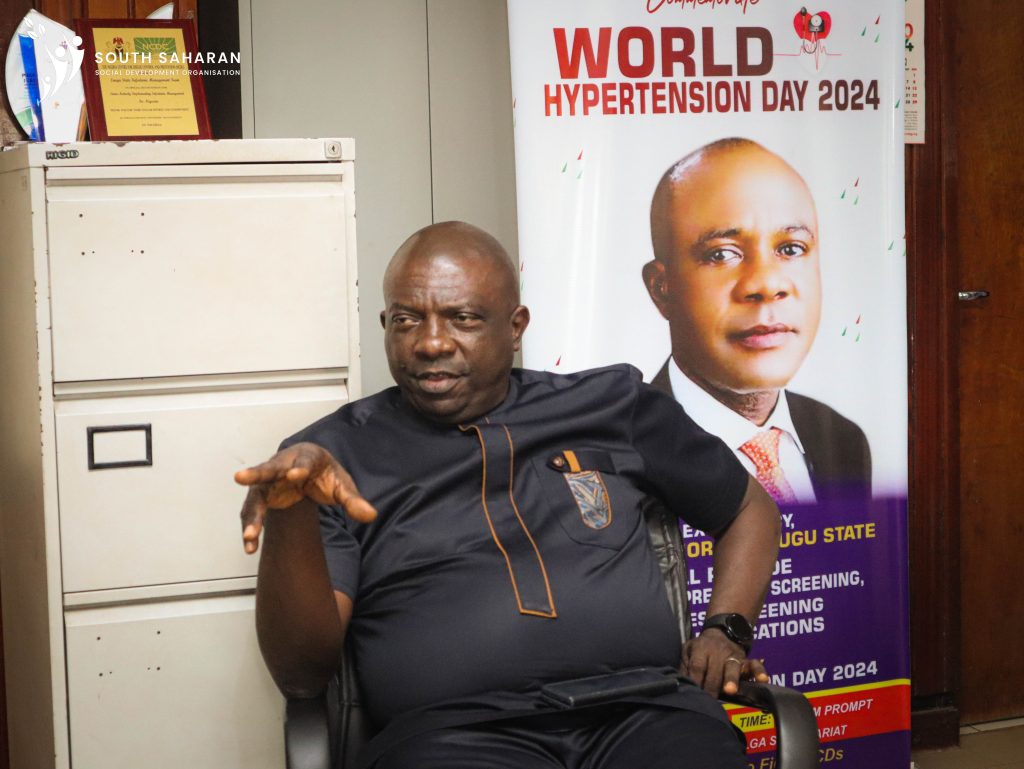
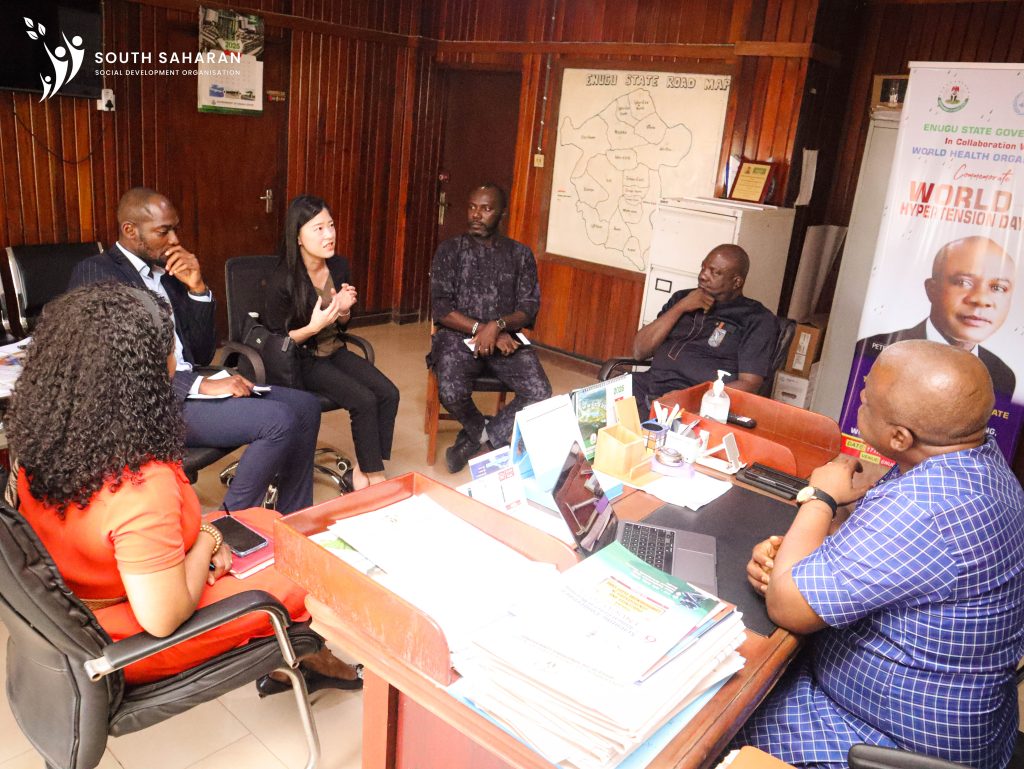
The visit included a courtesy meeting with the Enugu State Commissioner for Health, Dr. Emmanuel Ikechukwu Obi, along with Dr. Ifeyinwa Ani-Osheku, Executive Secretary of the Enugu State Primary Healthcare Development Agency, and Prof. Uche Agu, Hospital Administrator of the Enugu State Health Management Board.
All three expressed strong support for the project, noting that it would relieve facilities of the burden of transporting medical waste long distances to the state’s central cold store for incineration.


Why Abakpa Health Centre?
According to Dr. Ani-Osheku, the decision to site the incinerator at Abakpa Health Centre was strategic. The facility’s central location, heavy patient traffic, and proximity to over 20 other health centers made it the most suitable hub for the project. “This incinerator will not just serve Abakpa,” she noted. “It will offer a safe, accessible, and affordable waste disposal solution to surrounding clinics and hospitals, both public and private.”
Building on Past Success
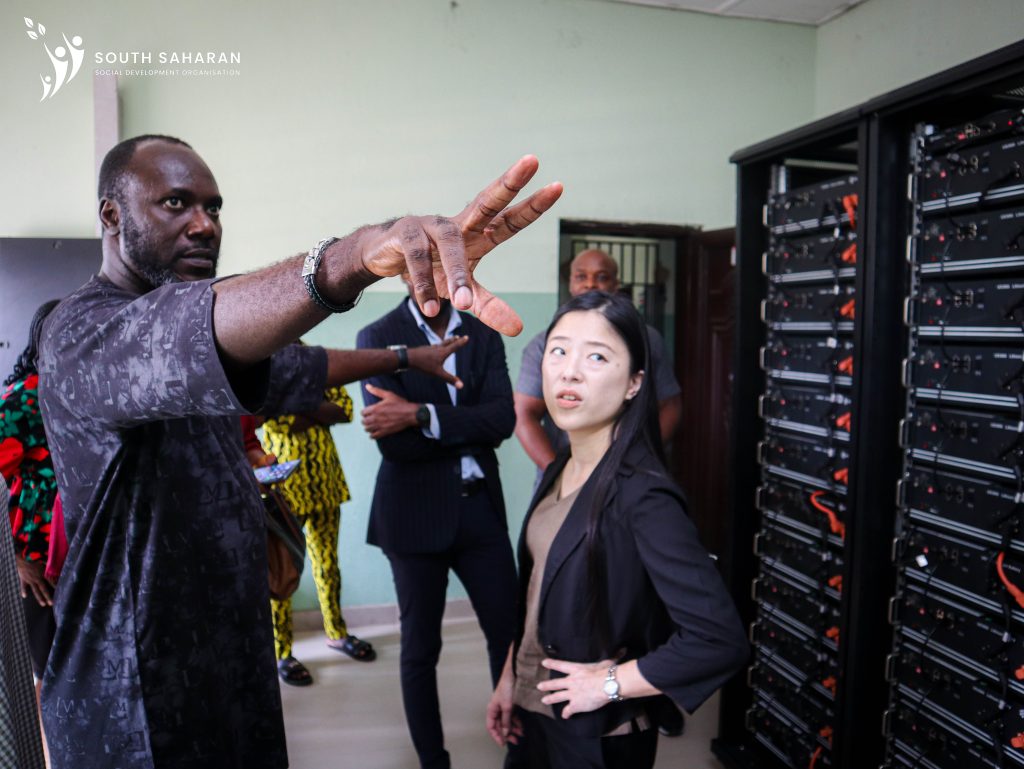
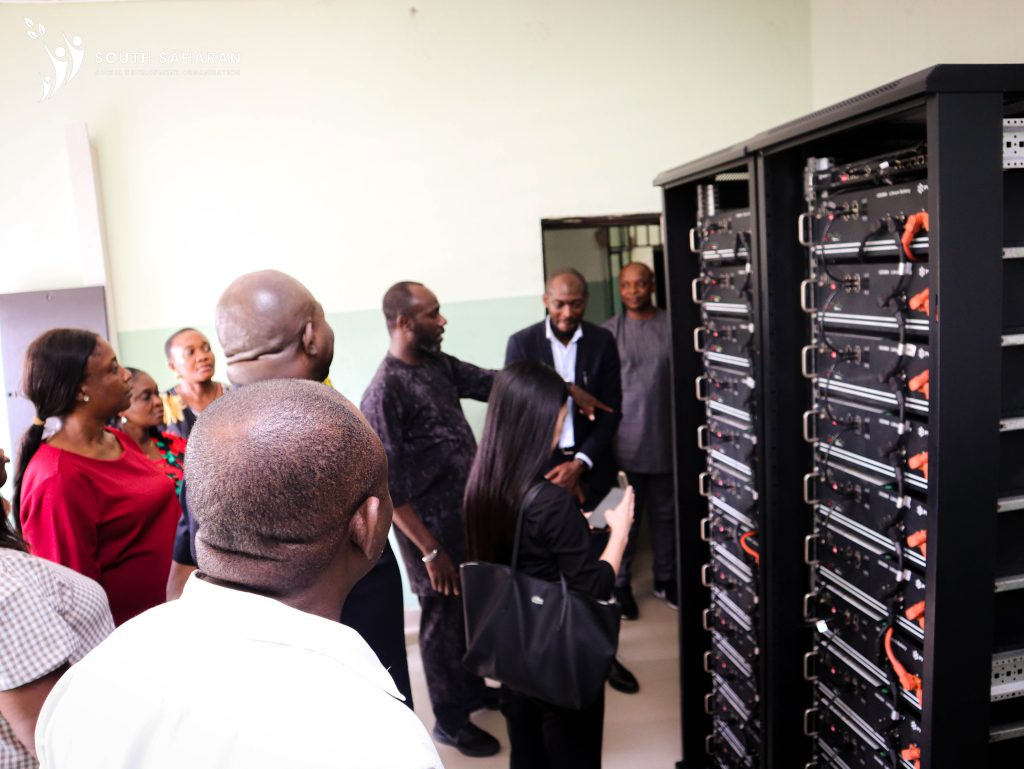
As part of the visit, the team also toured Poly General Hospital, where SSDO and the Embassy of Japan had previously implemented a 56KVa solar power system under a 2020 GGP grant. Completed in 2021, that installation powered by 96 solar panels continues to run the hospital independently of the national grid, ensuring uninterrupted care.
This history of successful partnership set the tone for the current intervention, underscoring a shared commitment to sustainable, impactful development.
A Model for International-Local Partnership
This incinerator project demonstrates what is possible when global support aligns with local knowledge to solve specific, high-impact problems. It reflects SSDO’s commitment to bridging infrastructure gaps, one practical step at a time, and the Japanese Government’s consistent investment in grassroots health and human security.
