


International Day of The Girl Child
The girl child faces different challenges associated with their gender and age. In many developing countries, the girl child is often at a huge disadvantage. Data from UNICEF shows that 6.3 million girls in Nigeria are out of school. UNESCO indicates that less than 40% of countries worldwide provide girls and boys with equal access to information.
The longer girls are out of school, the higher the probability of child marriages and violence against children. Educating the girl child improves their earning potential and helps them have a say in decisions that affect their future. It improves the economy and reduces inequality.
The better-educated girls are, the better their family and the community becomes, as they will be direct beneficiaries of the skills they will contribute to society.
What Is The Day About?
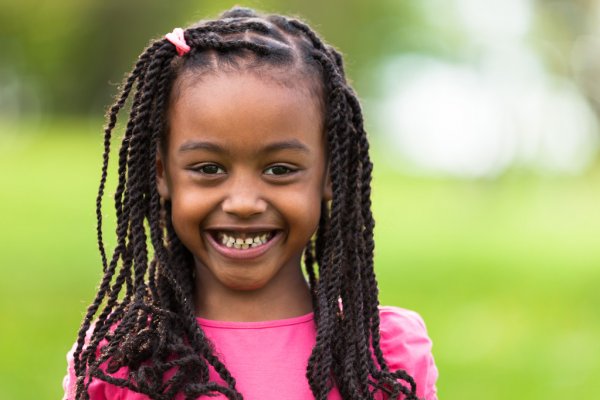
The International Day of the Girl Child is a day set aside by the United Nations to raise awareness of the challenges that girls face all around the world. It is also a time to celebrate the wins and reinforce the achievements of girls the world over.
When Is It Celebrated?
It holds every year, October 11.
Why Do We Celebrate The International Day of The Girl Child?
Educating the girl child isn’t just about access to schools, but helping them feel safe and showing them how to navigate their way around their chosen professions. Sadly, in Nigeria, 30% of girls aged 9-12 have never been to school at all. The nation also accounts for about 45% of the out-of-school children in West Africa.
The International Day of the Girl Child is a good time to remind us that issues like poverty, child marriage, and gender-based violence, which are underlying causes, are still far from being subjugated in Nigeria.
History of the International Day of The Girl Child
On December 19, 2011, the United Nations General Assembly reached a resolution to make October 11 the International Day of the Girl Child to recognize girls’ rights and the unique challenges the girl child faces around the world. The aim is to gather worldwide support for goals that will help better the lives of girls, provide leadership opportunities and help them reach their full potential.
The team for the observance has a new theme each year:
2012 – Ending Child Marriage
2013 – Innovating for girls education
2014 – Empowering Adolescent Girls: Ending the Cycle of Violence.
2015 – The Power of Adolescent Girls: Visions for 2030.
2016 – Girls Progress = Goals Progress: What Counts For Girls.
2017 – Empower Girls: Before, During, and After Crisis.
2018 – With Her; A Skilled Girl Force.
2019 – Girl Force: Unscripted and Unstoppable.
2020 – My Voice, Our Equal Future.
2021 – Digital Generation, Our Generation.
Impact That Matters
South Saharan Social Development Organization (SSDO) is playing its part and through the Orphaned and Vulnerable Children (OVC) project, 75 girls have been enrolled in school. Providing an opportunity for them to reach their full potential. This has been one of our key focus areas as an organization. Ensuring the development of women and children through our various projects.
SSDO Kids and Adolescent Club Helps Girls Stay in School

SSDO runs a kids’ club in some catchment areas where we work, Nkanu East, Nkanu West, and Enugu South LGAs. These clubs help the kids know more about their rights, share experiences, and talk about issues that bother them in a non-hostile environment.
The club also helps them build leadership capacity and learn how to take responsibility. This way, they know when to speak up at home, school, or the community. The kids learn basic life skills necessary for surviving in different spheres of life. They learn time management, how to effectively balance chores and studies, creating a to-do list and a work timetable.
The club presents an opportunity for the facilitators to correct wrong gender notions, such as gender role bias. Teaching the kids that any ambition or career path they choose is valid. Facilitators show them the practical side of their chosen career through games and illustrations. Importantly, they learn about their rights, child abuse, how and where to report these issues should they arise.
The aim of the club is to groom children who know their rights and are equipped with important life skills, such as critical thinking, perspective-taking, handling challenges, and maintaining good health.
